All-ages outdoor recreation, Training, Competition
PUMP TRACKS &
BIKE FACILITIES.
Compact, high-use riding spaces for building skills, creating community activity and keep riders coming back.
Small footprint. Repeat Visits.
A FACILITY PEOPLE ACTUALLY USE.
A well-designed pump track can serve beginners, experienced riders and different wheeled users in the same compact space. It rewards practice and repetition, encourages progression and creates visible activity without requiring a large trail network.
We help municipalities, private landowners, tourism operators and community organizations turn a site and an idea into a practical bike facility. Our designs consider users, flow, drainage, surrounding amenities, construction method and long-term operation from the beginning.
Why pump tracks work
MORE THAN A LOOP OF BERMS.
The strongest facilities combine recreation value with clear community and property-development outcomes.
ALL-AGES ACTIVITY
An inviting outdoor facility that supports movement, play and family participation across a wide range of ages.
RIDER PROGRESSION
Repeatable features help users develop balance, cornering, pumping and confidence through manageable challenge.
COMMUNITY VALUE
A visible gathering place can support programming, events, social connection and positive use of public space.
TOURISM & TRAIL LINKS
A pump track can strengthen a broader trail network, destination, campground or accommodation property.
From idea to rideable facility
DESIGN-BUILD THINKING.
Pump tracks succeed when the riding layout, sitework and surrounding space are planned as one project.
- Site assessment and feasibility
- Concept planning and rider-flow layout
- Grading, drainage and material planning
- Dirt pump-track construction and shaping
- Site preparation and coordination for asphalt facilities
- Skills areas, dirt jumps and connecting trails
- Phased expansion and maintenance planning
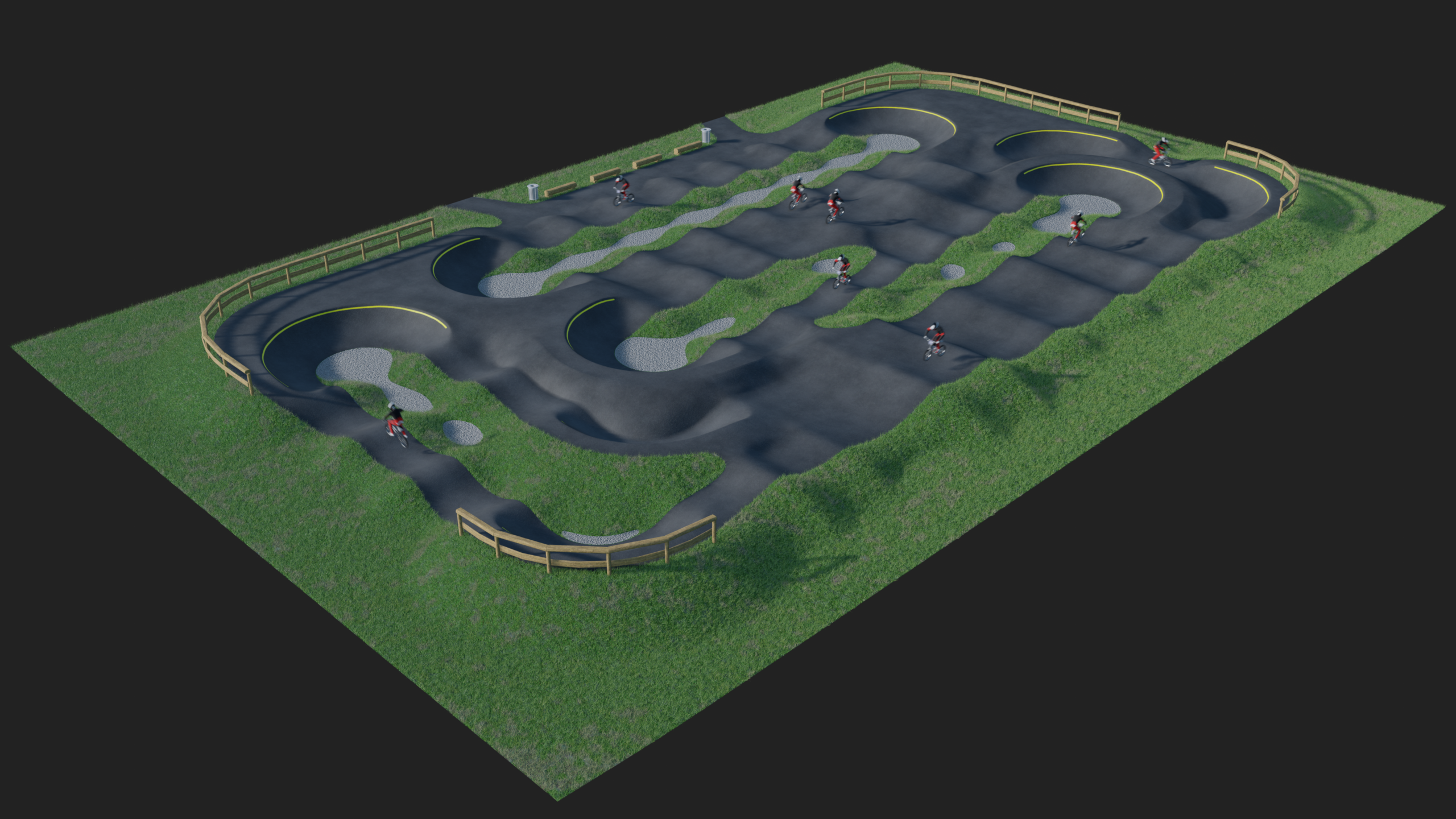
A buildable concept
PLAN THE RIDING AND THE GROUNDWORK TOGETHER.
The facility must fit the available land, budget, drainage, user mix, supervision and future maintenance—not just look appealing in a rendering.
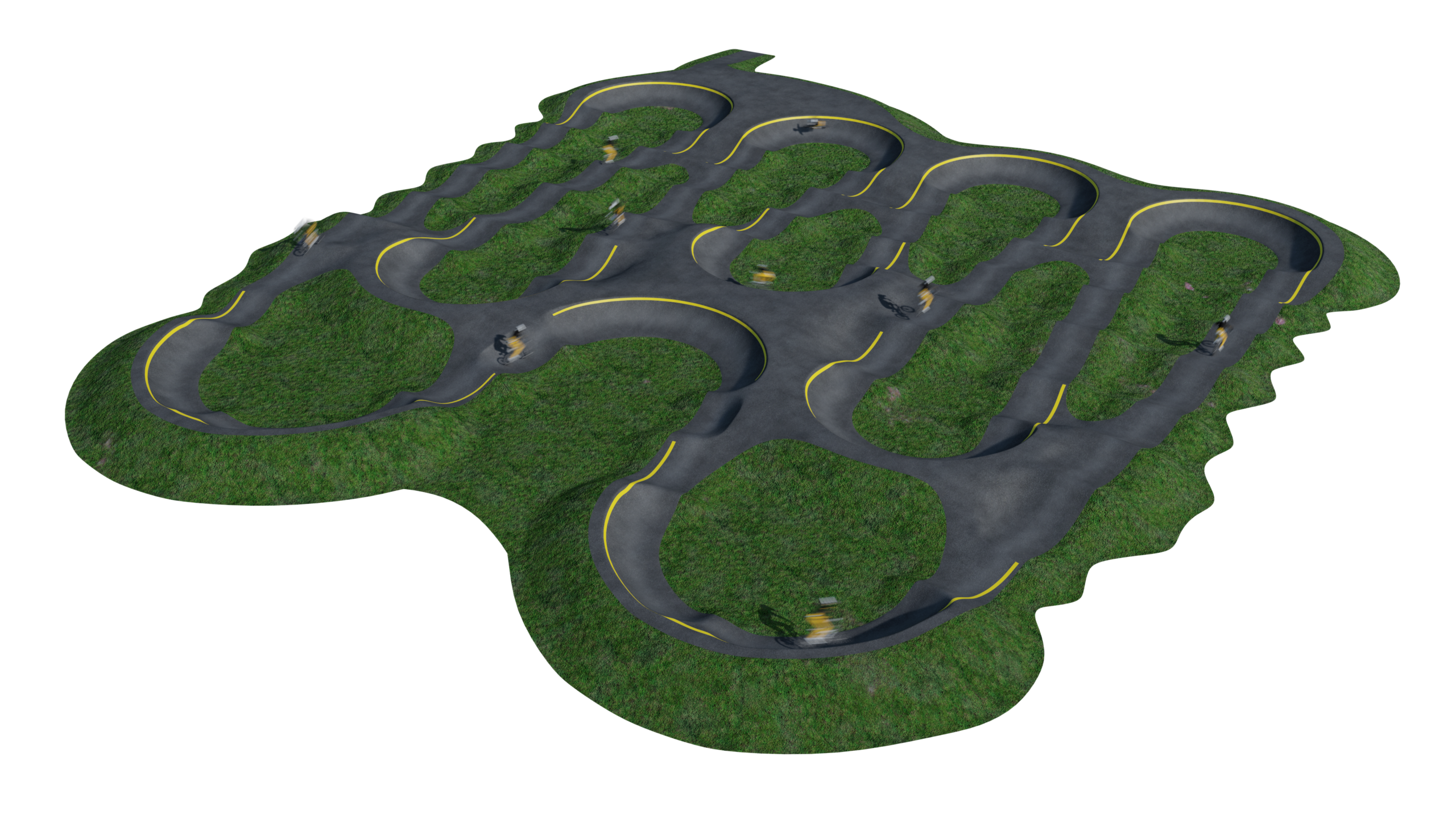
CONCEPT & LAYOUT
Establish circulation, feature relationships, rider progression and how the facility fits its surrounding property.
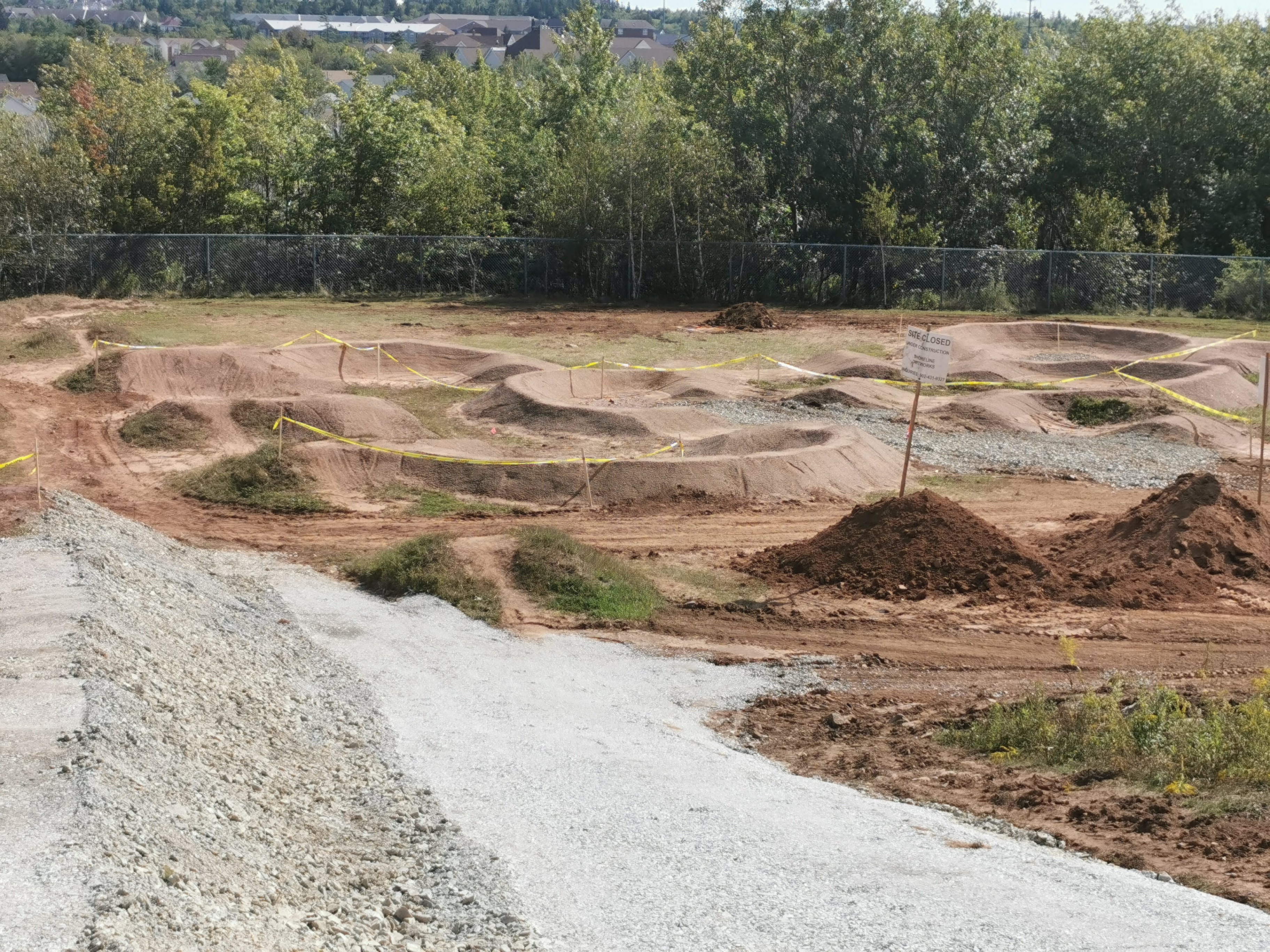
SITEWORK & CONSTRUCTION
Prepare grades, access, drainage and materials, then shape and compact the riding surface deliberately.
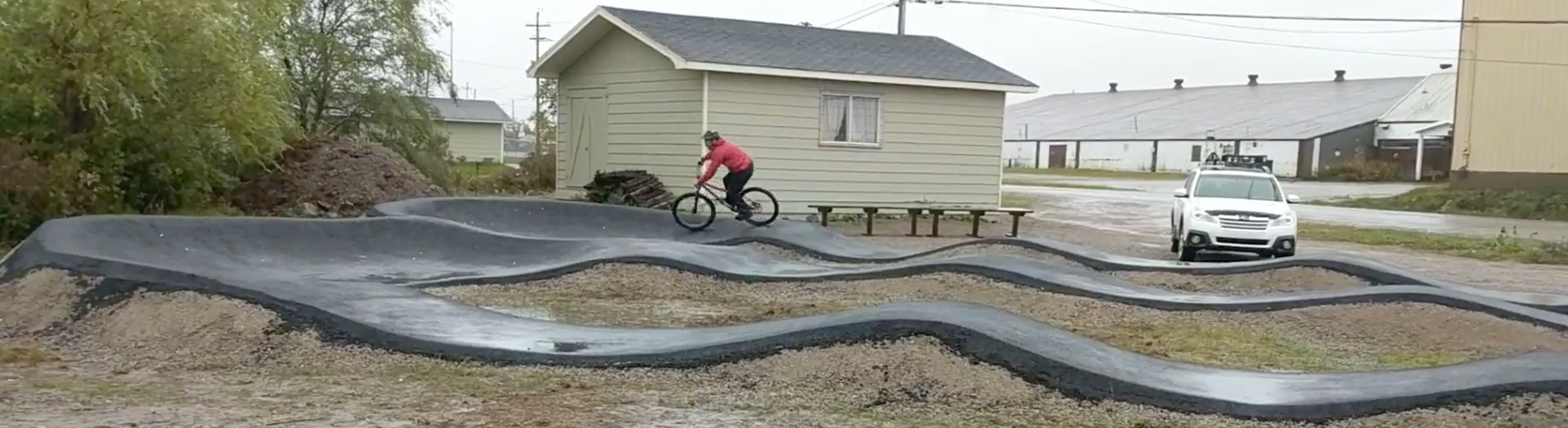
USE & LONGEVITY
Consider maintenance, weather, edges, sightlines, supporting amenities and how riders will use the facility over time.
Built experience
DIRT, ASPHALT AND COMMUNITY FACILITIES.
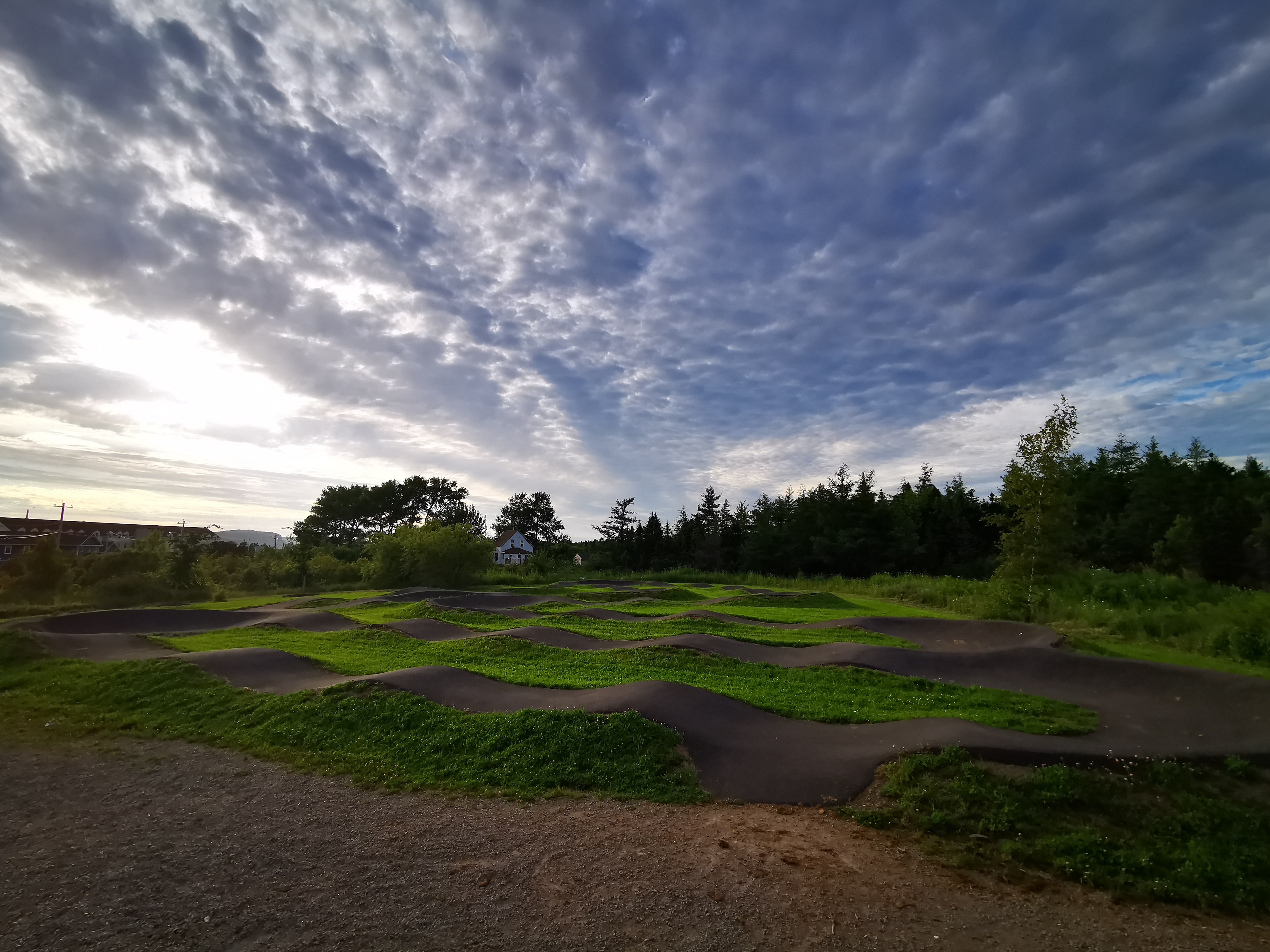
Shoreline brings experience from pump tracks and dirt-jump facilities serving different communities, budgets and construction models.
- Asphalt pump-track project experience at Shubie Park, Tyne Valley and Port Hawkesbury
- Keppoch’s Dirt Pump Track
- More than twelve HRM dirt-jump parks, including six with dirt pump tracks
- Facility planning that can connect pump tracks with trail networks and skills areas
A clear PATH FORWARD
DEFINE. DESIGN. PREPARE. BUILD.
01 DEFINE
Identify users, facility type, available land, budget and operational goals.
02 DESIGN
Develop circulation, progression, feature layout, drainage and supporting site needs.
03 PREPARE
Complete access, clearing, grading, sub-base and site coordination.
04 BUILD
Shape, compact, refine and prepare the facility for its intended use and upkeep.
Related SERVICE
DESIGN/BUILD TRAIL NETWORK
Pump tracks can stand alone or become the accessible, high-energy hub of a broader outdoor-recreation system. Community Trail Networks bring it all together.
Cape Breton bike facilities
TELL US ABOUT YOUR AUDIENCE
AND WHAT YOUR GOALS ARE.
Share your project location, intended audience, available space, approximate budget and whether the project is still conceptual or ready for site assessment.